Filter Feeding Cichlid - Chaetobranchopsis Orbicularis
Species only recommended
A filter-feeding cichlid is an unusual fish that strains tiny plankton and food particles directly from the water rather than hunting individual pieces. Found in slow-moving waters, floodplains, and river basins in South America, including the Amazon, Rio Negro, and Paraguay drainages. They can be a difficult species to keep so please read through all of their special requirements before purchasing.
Current Size – 4-5cm
Adult Length – Typically reaches 12 to 15 cm in total length in the aquarium, though maximum wild specimens have been recorded up to 20 cm.
Temperature Range – 23 – 27 °C
pH Range – 6 – 7
Special Requirements -
Prefer soft, acidic to neutral water, though they can handle slight acclimation to neutral or mildly alkaline chemistry. Considered advanced and challenging to keep long-term due to their specialized nutritional needs and delicate adjustment to aquarium life.
Standard filters will either suck up all the fine food before the fish can eat it, or clog immediately from the heavy organic waste. Use an oversized canister filter or sump system paired with a heavy-duty sponge pre-filter on the intake. You must turn off or greatly reduce the filtration flow during feeding times so the food stays suspended in the water column long enough for the fish to strain it out.
These fish naturally inhabit slow-moving floodplains and river bends. High-powered wavemakers or aggressive filter outputs will exhaust them. The water movement should be just strong enough to keep micro-foods (like daphnia or baby brine shrimp) gently swirling in the water column rather than settling instantly into the substrate, but not so strong that the fish have to fight the current to eat.
Use smooth, fine pool filter sand or specialized aquarium sand. This allows them to safely exhibit natural sifting behaviors without risk of injury or choking. Avoid gravel entirely. Filter-feeding cichlids will frequently scoop up mouthfuls of substrate to sift out micro-organisms. Sharp gravel can damage their highly delicate, specialized gill rakers.
Because of the heavy feeding schedule, nitrates and dissolved organics build up rapidly. Pack the tank with driftwood, catappa (Indian almond) leaves, and alder cones. These leach tannins into the water, which naturally buffer the pH down, replicate their wild blackwater habitats, and provide mild antibacterial properties to protect their sensitive slime coats.
These cichlids (especially Chaetobranchus species) have massive mouths and fragile, exposed gill structures when extended to filter feed. Ensure all filter intakes have coarse foam covers. Exposed plastic slats on filter pipes can easily trap and injure a feeding fish.
Tanks Mates and Compatibility - While filter-feeding cichlids do not strictly require a species-only tank due to aggression, they are strongly recommended for a species-only or specialized single-group setup. This isn't because they will hurt other fish, but because other fish will accidentally starve them. They are remarkably gentle, shy, and non-aggressive, making them terrible competitors for food. The safest approach is keeping a pair or a small group of their own kind. To overcome their natural shyness without risking starvation
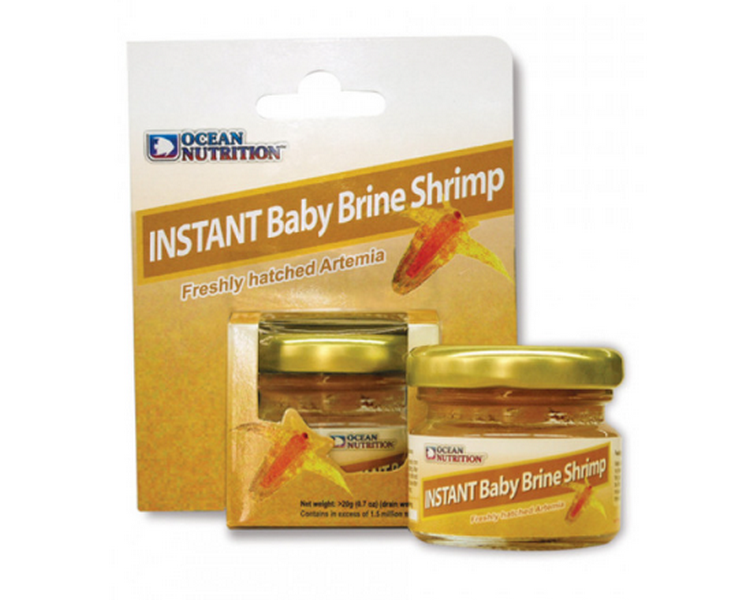
Feeding - Hard to feed in captivity; they require very fine foods like frozen daphnia, baby brine shrimp, or specialized micro-plankton suspensions.
We recommend:
Please note – Some images used are library photos and will show the colour potential at a fully mature size, as our fish are juvenilles they may vary.
We always aim to supply the fish as close to the purchase size as possible. However if this is not possible, we will always contact you to discuss.
The fish are selected at random however you are welcome to make a note on the order and the fish manager will do his best for you. This is dependent on current stock at the time of your order.